


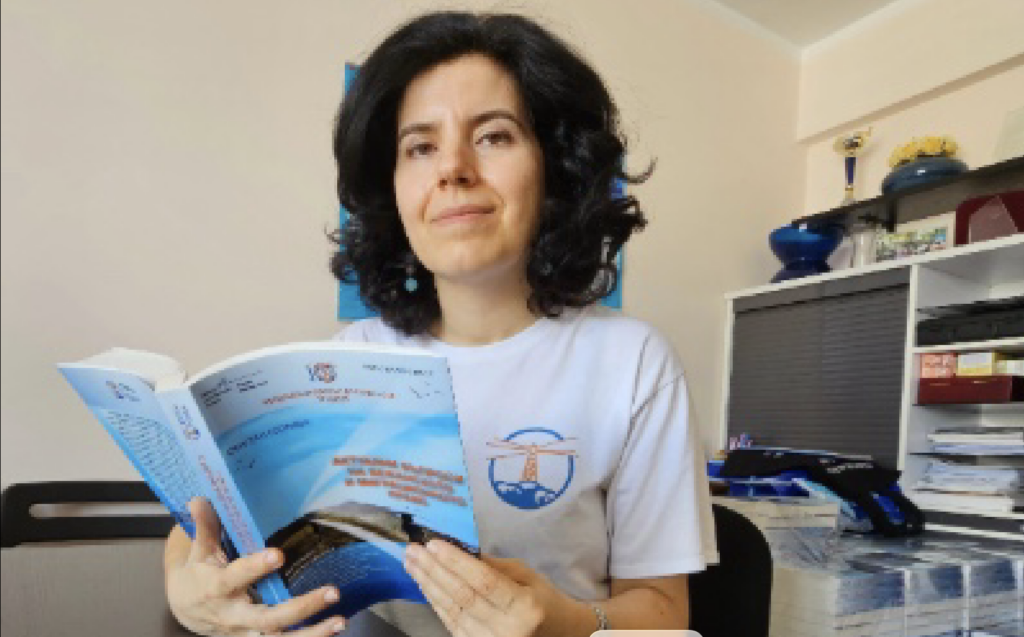
The moment everything changed
In January 2015, I was living an ordinary rhythm as a lawyer in Sofia. One evening I clicked on a simple Facebook notification that someone had tagged me, and what I saw left me in shock. Thousands of strangers were sharing an interview I had given two years earlier and wishing me the worst.
I was not a public figure, and at that time refugees were not even in the spotlight. I was simply continuing my everyday work of defending the rights of asylum seekers and migrants in Bulgaria. Yet overnight I became the target of an online campaign of hatred.
When online hate becomes personal
The threats didn’t stay on the screen for long. They entered my home. My son was two and a half years old in January 2015, and even now he remembers how for years I warned him to look out for attackers when leaving my office. I knew how thin the line was between words and actions, and above all I was terrified of putting him in danger.
I called Margarita at the Bulgarian Helsinki Committee and asked for joint action. Without her support, and the work of Krasimir, Adela and Radi, this case would never have come so far. My friend Lydia, who was also attacked, managed to uncover by herself the authors of the Facebook groups and the website dedicated to hating us. We passed their names and data to the police. The police confirmed the identities but still took no action. It felt as though they approved of what was happening to us.
A climate of hostility
What happened to us was not an isolated incident. It was part of a wider climate in Bulgaria and across Europe at the time. Migration had become politicised, anti-migrant sentiment had entered mainstream debate, and those who stood by refugees were increasingly treated with suspicion and hostility. Institutions turned their backs and defenders were left exposed.
A decade later: Justice at Strasbourg
Almost ten years later, on 9 September 2025, the European Court of Human Rights delivered its judgment in Ilareva and Others v. Bulgaria (HUDOC link). The Court found unanimously that the authorities had failed to protect me and others from coordinated hate campaigns.
From a legal perspective, this judgment matters not only for me but for anyone who works with marginalised groups, including human-rights defenders, social workers, journalists and activists.
What is new and precedent-setting is that the Court recognised that the attacks against us were driven by my work defending refugees and migrants, even though I am not part of those communities myself. This is called discrimination by association, and the Court made it clear that States must protect people who are targeted for standing up for certain groups.
Another important development is the Court’s clear statement that online hate campaigns are as serious as offline threats, and that authorities cannot dismiss them as “not real” or “short-lived.” When people face coordinated online death threats and xenophobic abuse, the State must investigate properly, follow every lead, and take the bias at the root of the hatred seriously.
A small light after long darkness
Bulgaria failed to do so, and the judgment makes clear that this failure violates fundamental rights — not only in my case, but as a warning to all European States that they must take online hate and discrimination by association seriously if they want to meet their human-rights obligations.
I wish human rights defenders did not have to walk through such darkness, but this judgement offers a limpse of justince and something to hold on to.